
Understanding the psychology of risk in gambling decisions
The Nature of Risk in Gambling
Gambling inherently involves risk, a central element that attracts players from various backgrounds. The thrill of uncertainty can evoke a mix of excitement and anxiety, pushing individuals to make decisions that they might not consider in other contexts. Understanding this duality is crucial, as it highlights how risk perception influences gambling behavior. Factors such as potential rewards and the allure of winning can overshadow rational decision-making, which is why many turn to online gambling sites for their gaming experiences.
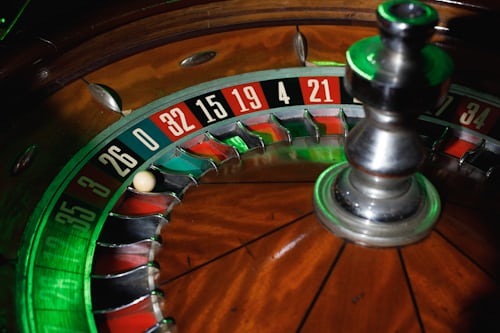
The psychology of risk is often shaped by personal experiences, cultural background, and individual temperament. For some, the risk is exhilarating, while for others, it can be paralyzing. Gamblers frequently seek to balance these perceptions, weighing the odds against their desire for thrill, which leads to varied gambling strategies and outcomes.
Cognitive Biases in Gambling Decisions
Cognitive biases significantly influence how gamblers perceive risk and make decisions. One prominent bias is the illusion of control, where players believe they can influence outcomes through skill, even in games that are purely chance-based. This bias can lead to overconfidence and increased risk-taking behavior, often resulting in greater losses.
Another common cognitive bias is the gambler’s fallacy, where individuals mistakenly believe that past outcomes will affect future results. For instance, after a series of losses, a gambler might assume that a win is “due.” This belief can lead to escalating bets, further entrenching the gambler in a cycle of risk that may have detrimental consequences.
Emotional Factors and Their Impact
Emotions play a pivotal role in gambling decisions, often clouding judgment. Players might gamble to escape stress, boredom, or sadness, leading to impulsive decisions that prioritize immediate emotional relief over long-term consequences. When emotions are high, such as during a winning streak, gamblers may become overly optimistic, leading to increased risk-taking.
Conversely, feelings of loss can result in chasing losses, a common behavior where individuals continue to gamble in hopes of recouping previous losses. This cycle can lead to significant financial and emotional distress, highlighting the need for awareness of emotional triggers in gambling scenarios.
Societal Influences on Gambling Behavior
Societal norms and peer influences can significantly impact gambling decisions. The perception of gambling as a socially acceptable pastime can encourage individuals to take risks they may not otherwise consider. Social environments, such as casinos or betting parlors, can create an atmosphere that reinforces risky behavior through peer pressure and shared excitement.
Moreover, media portrayals of gambling often glorify big wins while downplaying the risks and losses associated with it. This skewed representation can alter public perception, making gambling seem less risky and more rewarding, thus enticing more individuals to engage in gambling activities without fully understanding the psychological implications.

Ensuring Safe Gambling Practices on Our Platform
At our website, we prioritize your safety and security while navigating the world of gambling. We provide resources to help individuals understand the psychological aspects of risk and make informed decisions. Our platform encourages responsible gambling by offering guidance on recognizing emotional triggers and cognitive biases that may impact gambling behavior.
By fostering a safe environment, we aim to empower users to engage in gambling activities that are enjoyable yet mindful of the inherent risks. We believe that understanding the psychology of risk is essential for creating a balanced approach to gambling, ensuring that users have a positive experience while safeguarding their wellbeing.
Recent Comments